
Athol Park Groundwater Prohibition Area
Consultation concluded on 2 October 2026. The Athol Park GPA was established on 15 October 2026.
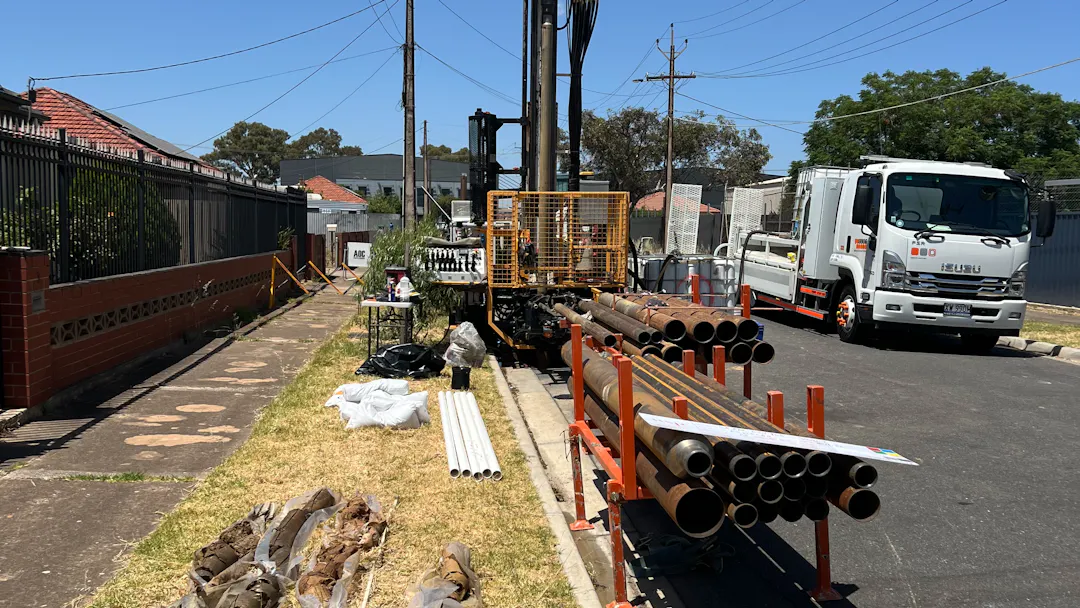
The EPA has established a groundwater prohibition area (GPA) in a section of Athol Park (please refer to the map below).
Groundwater is water that is present underground within rocks or sediments and can be accessed by a bore with an outdoor pump. Most properties do not have access to groundwater or use it for drinking or household purposes.
The need to establish a GPA followed the review of environmental assessment undertaken on behalf of the EPA, which commenced in May 2025. The findings of the assessment indicate that groundwater is contaminated with chlorinated hydrocarbons, mainly trichloroethene (TCE). Based on the information reviewed, the EPA has taken action necessary to prevent actual or potential harm to human health or safety.
The GPA was established on 15 October 2026 and published in the Government Gazette. The GPA extends to a depth of 20 metres below ground level.
Taking of groundwater is prohibited in the watertable aquifer and any deeper water bearing zones hydraulically connected to the watertable aquifer up to 20 metres below ground surface within the specified area. A maximum fine of $8,000 may be issued to persons using groundwater at their property.
Please contact us for further information.
E: yourepa@sa.gov.au
P: (08) 8429 7554
Consultation concluded on 2 October 2026. The Athol Park GPA was established on 15 October 2026.
-
How will the GPA be communicated to future purchasers?
Under the Land and Business (Sale and Conveyancing) Act 1994 and its associated regulations, the EPA is required to provide details about information it holds when land is being sold. Relevant details are included in the Form 1 statement provided to potential buyers. This supports a transparent approach to sharing important environmental information and helps buyers to make informed decisions.
After a GPA is established, potential buyers of properties within the area are made aware of the groundwater prohibition via the Form 1 statement provided when a property is being sold. This informs them that existing groundwater bores are no longer able to be used and no future bores can be installed at the property.
Where the EPA has also undertaken an environmental assessment, the associated reports are recorded in the EPA Public Register. Potential buyers are informed of the environmental assessment and associated reports in the Form 1 statement.
Consultation concluded on 2 October 2026. The Athol Park GPA was established on 15 October 2026.
-
What is the risk to residents?
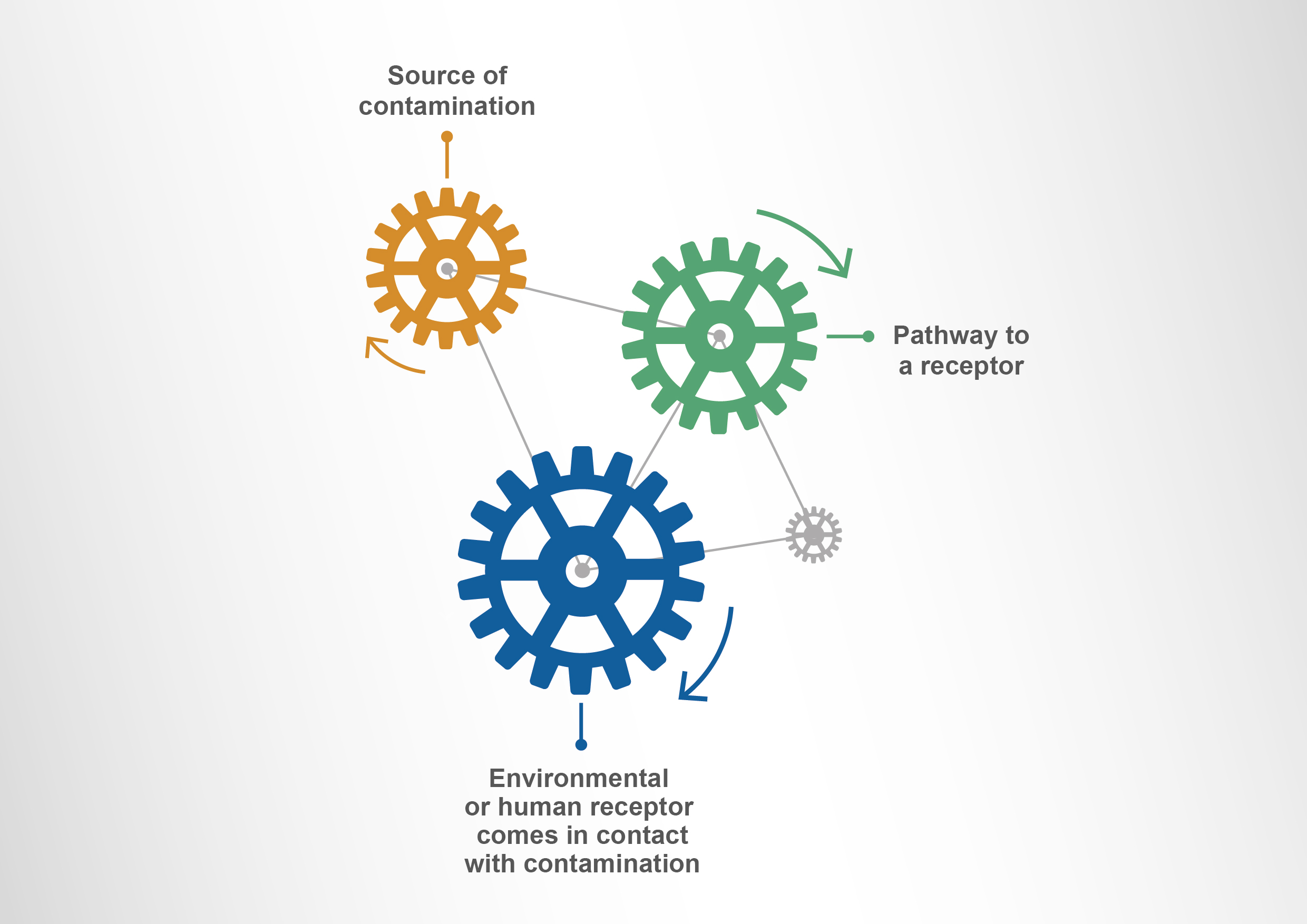
For site contamination to become an issue, there needs to be a source (contaminated groundwater), a pathway (extracting that water from a bore), and a receptor (a person coming into contact with that water).
Using contaminated groundwater for drinking, showering, washing, filling swimming pools, watering lawns or irrigating produce over a long period of time is considered a health risk.
Prohibiting groundwater use removes the exposure pathway and protects public health. It prevents the spread of the contamination by preventing the use of existing bores, and also prevents the installation of new bores in the future.
Consultation concluded on 2 October 2026. The Athol Park GPA was established on 15 October 2026.
-
Are my fruit and vegetables safe?
 Rainwater and mains water (tap water provided by SA Water) are not affected by the groundwater contamination and can be used.
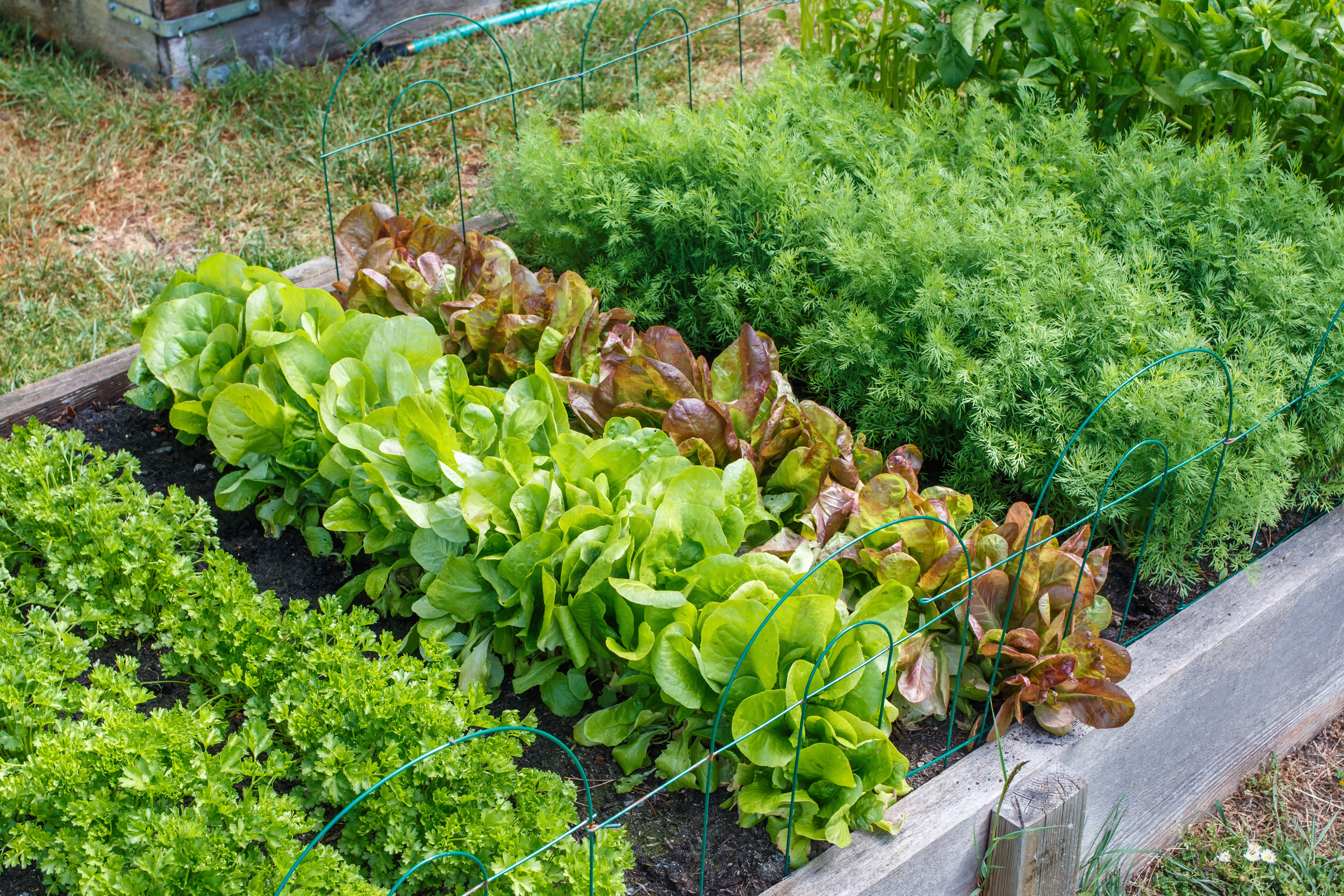
Home-grown fruit and vegetables are safe to consume if they are not watered with groundwater.
Consultation concluded on 2 October 2026. The Athol Park GPA was established on 15 October 2026.
Automatic translations are provided as a guide only. To speak with us using a live interpreter, please call the National Translating and Interpreting Service on 131 450, and ask them to call us on (08) 8429 7554.

