Tonsley and surrounding areas Groundwater Prohibition Area
Consultation has concluded
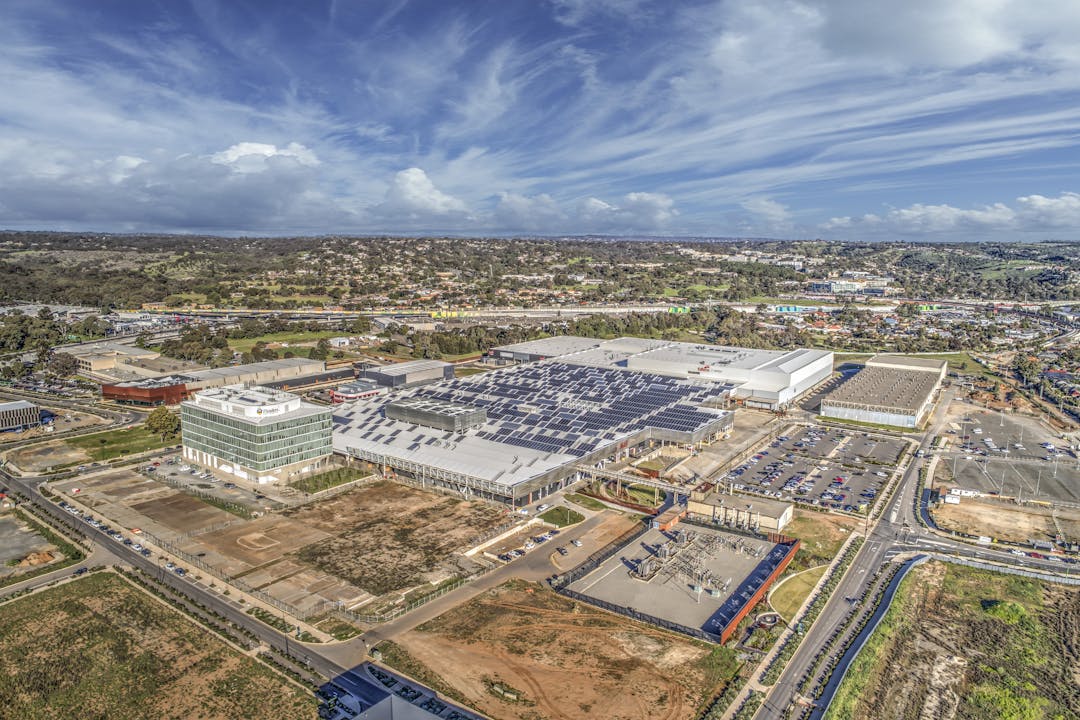
On 8 April 2021 the EPA established a groundwater prohibition area (GPA) in Tonsley and portions of Clovelly Park, Mitchell Park and Marion. These suburbs have a proud manufacturing history, with some past chemical disposal and handling practices having contaminated the groundwater.
If contaminated groundwater is a risk to human health, the EPA has the ability under the Environment Protection Act 1993 to establish a groundwater prohibition area. The purpose is to protect both current and future landholders from accessing the contaminated groundwater.
Before it made this determination, the EPA undertook a 90 day community consultation. All copies of reports, community updates and information is available from this website. If you can't find what you are looking for, or if you have any questions, please do not hesitate to let us know:
Ph: (08) 8429 7554
Email: engage.epa@sa.gov.au
On 8 April 2021 the EPA established a groundwater prohibition area (GPA) in Tonsley and portions of Clovelly Park, Mitchell Park and Marion. These suburbs have a proud manufacturing history, with some past chemical disposal and handling practices having contaminated the groundwater.
If contaminated groundwater is a risk to human health, the EPA has the ability under the Environment Protection Act 1993 to establish a groundwater prohibition area. The purpose is to protect both current and future landholders from accessing the contaminated groundwater.
Before it made this determination, the EPA undertook a 90 day community consultation. All copies of reports, community updates and information is available from this website. If you can't find what you are looking for, or if you have any questions, please do not hesitate to let us know:
Ph: (08) 8429 7554
Email: engage.epa@sa.gov.au
-
Home grown veggies are safe - if watered with tap or rainwater
Rainwater and mains water (tap water) are not affected by groundwater contamination.
Home-grown fruit and vegetables are safe to consume, provided you are not watering them with bore water.
Sites that were formerly industrial may have further restrictions that you should be aware of. Please see the Form 1 Statement that was provided to you at the time of purchase, or contact the EPA if you would like to find out more information.
Consultation has concludedRainwater and mains water (tap water) are not affected by groundwater contamination.
Home-grown fruit and vegetables are safe to consume, provided you are not watering them with bore water.
Sites that were formerly industrial may have further restrictions that you should be aware of. Please see the Form 1 Statement that was provided to you at the time of purchase, or contact the EPA if you would like to find out more information.
-
Please do not use your bore water
Groundwater (bore water) in the upper 2 aquifers (0–25 m below ground level) is known to be contaminated and extraction is now prohibited.
Deeper aquifers used by schools and councils are not affected.
Health problems can occur if people come into contact with the contaminated water over a long period of time. The contamination presents a potential risk to human health if groundwater is utilised for drinking, showering, washing, filling swimming pools, watering lawns or irrigating edible produce.
Groundwater from bores in this area should also never be used to wash down paths or driveways, or even as grey water for toilet flushing. Preventing the extraction of contaminated groundwater is necessary to protect human health and prevent the spread of contamination.
Consultation has concludedGroundwater (bore water) in the upper 2 aquifers (0–25 m below ground level) is known to be contaminated and extraction is now prohibited.
Deeper aquifers used by schools and councils are not affected.
Health problems can occur if people come into contact with the contaminated water over a long period of time. The contamination presents a potential risk to human health if groundwater is utilised for drinking, showering, washing, filling swimming pools, watering lawns or irrigating edible produce.
Groundwater from bores in this area should also never be used to wash down paths or driveways, or even as grey water for toilet flushing. Preventing the extraction of contaminated groundwater is necessary to protect human health and prevent the spread of contamination.
-
We value your input!
The EPA has established groundwater prohibition areas in several areas of metropolitan Adelaide. Community engagement has informed their establishment, and in some instances has changed the depth and breadth of the prohibition.
The purpose is to protect both current and future landholders from accessing the contaminated groundwater.
Community engagement with the EPA is ongoing, and we encourage you to please get in contact with us during this time.
We are available over the phone and online and encourage you to please call or email us, either during or outside of business hours.
- Phone: 8429 7554
- Email: engage.epa@sa.gov.au
- Video conference or in person: please contact us to make arrangements
Consultation has concludedThe EPA has established groundwater prohibition areas in several areas of metropolitan Adelaide. Community engagement has informed their establishment, and in some instances has changed the depth and breadth of the prohibition.
The purpose is to protect both current and future landholders from accessing the contaminated groundwater.
Community engagement with the EPA is ongoing, and we encourage you to please get in contact with us during this time.
We are available over the phone and online and encourage you to please call or email us, either during or outside of business hours.
- Phone: 8429 7554
- Email: engage.epa@sa.gov.au
- Video conference or in person: please contact us to make arrangements
Your Language
Automatic translations are provided as a guide only. To speak with us using a live interpreter, please call the National Translating and Interpreting Service on 131 450, and ask them to call us on 08 8757 9000.
Community Updates and Reports
-
South Australian Government Gazette, 8 April 2021 (714 KB) (pdf)
-
Community engagement report: Groundwater prohibition area - Tonsley and portions of Clovelly Park, Mitchell Park and Marion (2.21 MB) (pdf)
-
Gazettal community update, 23 March 2021 (1.15 MB) (pdf)
-
Letter to landowners, 23 March 2021 (998 KB) (pdf)
-
Map of the Tonsley Groundwater Prohibition Area (3.23 MB) (pdf)
-
Determination Report, Tonsley and parts of Clovelly Park, Mitchell Park and Marion (7.62 MB) (pdf)
-
Community update, 18 November 2020 (1.58 MB) (pdf)
-
Letter to residents, 18 November 2020 (326 KB) (pdf)
-
Consultation reminder, 19 January 2021.pdf (199 KB) (pdf)
-
Tonsley - sites map (4.24 MB) (jpg)
Project Timeline
-
16 November 2020: community engagement commences
Tonsley and surrounding areas Groundwater Prohibition Area has finished this stage90-day community consultation commences. The EPA has written to all residents in the area and is keen to hear from anyone using a bore.
-
30 November - 3 December 2020: community information sessions
Tonsley and surrounding areas Groundwater Prohibition Area has finished this stageTwo community information sessions were held at the Living Kaurna Cultural Centre on Monday 30 November and Thursday 3 December, from 12–8 pm.
-
November 2020 to February 2021: community interactions
Tonsley and surrounding areas Groundwater Prohibition Area has finished this stageEPA staff are available to talk about any aspect of the proposal both during and outside of business hours by phone, email, interactive tools on this site, and in person.
-
March 2021: decision outcome
Tonsley and surrounding areas Groundwater Prohibition Area has finished this stageThe EPA has written to residents advising that the Groundwater Prohibition Area will be effective as of 8 April 2021.
-
April 2021: gazettal
Tonsley and surrounding areas Groundwater Prohibition Area is currently at this stageThe Groundwater Prohibition Area will come into effect on 8 April 2021. After this time, the EPA will publish a community engagement report summarising the interactions from the consultation.